証言 (1) Suzuki Keiku
華北の治安戦 ~ 戦犯45人の自筆供述書
2014年7月3日、中華人民共和国国家公文書館は、中央公文書館に所蔵する中国侵略の罪を自白した日本人戦犯45人の公文書館を初めて公開した。
証言 (1) Suzuki Keiku
1956年6月、中華人民共和国最高人民法院瀋陽特別軍事法院での裁判の後、鈴木さんは懲役20年の刑を宣告されたが、7年目の1963年6月初旬に釈放され、日本に帰国。1982年、福島で92歳で亡くなったと中国版のウィキペディアにある。
以下は英語から機械翻訳したものであり、実際のテキストは英語と中国語で確認してください。
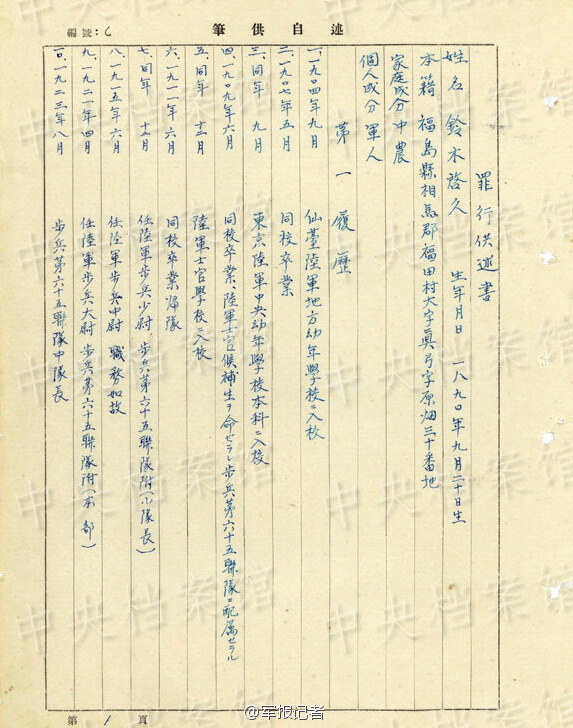
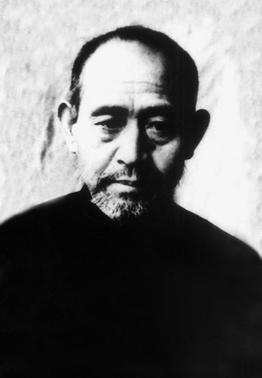
铃木启久(Suzuki Keiku)
- 1954年7月の铃木启久の供述によると、彼は1890年に日本の福島県で生まれ、1934年に中国の東北部に行き、日本の対中侵略戦争に参加し、第28歩兵連隊の副司令官を務めました。1945年4月、彼は第117師団の中将兼司令官になりました。彼は1945年8月31日に吉林で捕虜になった。
- 1934年6月頃:錦州で「2人の中国人農民を殺した」。
- 1935年3月上旬頃、高木大佐の「上盤市近郊の2つの村、合計300世帯を焼き払い、多くの中国人を殺害」した。
- 1940年9月:安徽省玄城での戦闘で屋内に隠れていた約50人の抗日兵士を「毒ガスを使用して全員残酷に殺害」。
- 1941年:安徽省朝県に慰安所を設立し、「中国人と韓国人の女性を慰安婦として」20人を拉致。
- 1941年11月:河北省曹強の八路軍への攻撃で、「兵士10人を殺害し、約600世帯の2つの村を焼き払い、さらに100人の中国人農民を虐殺した」。
- 1941年12月:「万里の長城から2キロ以内の地域で」 「移転し、その地域を過疎地帯にした」。
- 1942年1月:泰輔大佐に唐山地区で「掃討作戦で約800世帯の家屋を焼き払い、1,000人の中国農民を虐殺する」よう命じた。
- 1942年4月:河北省鳳峰市天関営で、「陸家嶼の洞窟で八路軍の兵士を残酷に殺害し、毒ガスを使用して八路軍の兵士約100人を殺害」し、「陸家嶼の近くの村に避難していた中国農民235人を残酷に殺害した(その中の妊婦の腹を切り開いた)」。 約800世帯の家屋を焼き払い、玉田に引き渡すために5人の捕虜を殺し、100人もの女性を強姦した。
- 1942年7月:豊潤で、「約500世帯の民間家屋を焼き払い、約100人の中国人農民を残酷に殺害した」。
- 1942年9月から12月にかけて、銭安やズンファを含む地域の「過疎地帯を作り出す、つまりすべての住民を強制的に立ち退かせる」ために、「これらの地域の1万以上の世帯の家を焼き払い、数万人を移住させ、多くの人々を虐殺した」。
- 1942年10月:「羅仙県板家市大荘村で1,280人の農民を射殺、銃剣、斬りつけ、生き埋めなどの残酷な方法で殺害し、村の800世帯すべての家屋を焼き払った」。
- 1942年:日本軍が駐留していたすべての地域に「慰安所を設置する」こと、および「約60人の中国人女性を慰安婦として誘い込む」ことを命じた。
- 1944年5月:河南省新郷で、「反日ゲリラ部隊を攻撃し、約10人の兵士を殺害し、戦場に近い村の約300軒の家屋を焼き払い、約100人の中国人農民を殺害した」。
- 1944年7月:河南省鳳丘市で、「抗日ゲリラ部隊の約40人の兵士を殺害し、約400世帯の近隣の村を焼き払い、約100人の中国人農民を殺害した」。
- 1944年8月:河南省淮清の抗日軍の「約10人の兵士を攻撃し、殺害」し、「約400世帯の農家を焼き払い、約30人の中国人を残酷に殺害した」。
- 1944年11月:「私は歩兵に臨仙県南部への侵攻を命じ、部隊が地域から撤退したとき、疫病予防・給水隊にコレラウイルスを3つか4つの村に広めるよう命じた。その後、「臨仙の中国人100人以上がコレラに感染し、死者数も多かった」という報告を受けました。この後、長路県のある村で、「約300世帯の家屋を焼き払い、村の中国人農民660人を、銃剣で撃ち、焼き払うなどの非常に残忍な方法で殺害した」。「また、この攻撃中に、私の指揮下にある兵士によって30人の捕虜が殺されました。」
- 「空気注射で人を殺す方法を試すために、私は1945年春、淮清の師団野戦病院に「傀儡県近衛隊の入院中の中国兵に対して、極めて高い価格で実験を行う」よう命じた。
- 1945年春:淮清の村で「約500人の農民を殺し、全600世帯の家を焼き払った」。
1945年の春頃、礁左近くの「村の約400世帯の家を焼き払い」、そして「約100人の中国人農民を残酷に殺した」。- 1945年:「日本軍が占領した地域に慰安所を設置するよう命じ、約60人の中国人と朝鮮人の女性を慰安婦としておびき寄せた」。
- 1945年7月中旬:「滋泉に侵攻し、約40人の中国人を虐殺した」。
- 「中国に対する侵略の際」、そして「私の記憶だけに基づくと、5470人の中国人が殺され、18229世帯の中国人世帯の家が焼失または損壊した。実際の数はもっと多いかもしれません」
Suzuki Keiku(铃木启久)
According to the written confession of Suzuki Keikuin July 1954, he was born in Fukushima Prefecture, Japan in 1890 and went to northeast China in 1934 to join the Japanese War of Aggression against China, serving as assistant commander of the 28th Infantry Regiment. In April 1945, he became lieutenant general and commander of the 117th Division. He was captured in Jilin on 31August 1945.
- Around June 1934: “killed two Chinese peasants” in Jinzhou;
- Around early March 1935: assisted Colonel Takagi in “burning down two villages with a total of 300 households near Shangban City and killing many Chinese people”;
- September 1940: “used poison gas to brutally kill all” of the 50 or so anti-Japanese soldiers hidden indoor in a battle in Xuancheng, Anhui;
- 1941: set up a comfort station in Chaoxian County, Anhui and abducted 20 “Chinese and Korean women as comfort women”;
- November 1941: in an attack on the Eighth Route Army in Zaoqiang, Hebei, “killed 10 soldiers, burned down two villages with around 600 households, and also slaughtered 100 Chinese peasants”;
- December 1941: “forced inhabitants” “in the area within 2 kilometers of the Great Wall” “to relocate and made the area a depopulated zone”;
- January 1942: ordered Colonel Taisuke to “burn down the houses of about 800 households and slaughter 1,000 Chinese peasants in a mop-up operation” in Tangshan area;
- April 1942: in Tianguanying, Fengrun, Hebei, “brutally killed soldiers of the Eighth Route Army and used poison gas in an attack to murder about 100 cadres and soldiers of the Eighth Route Army in the caves in Lujiayu” and “cruelly killed 235 Chinese peasants seeking refuge in a village near Lujiayu (cutting open the bellies of pregnant women among them), burned down houses of about 800 households, killed 5captives to be delivered to Yutian, and raped as many as100 women”;
- July 1942: in Fengrun, “burned down civilian houses of around 500 households and brutally killed about 100 Chinese peasants”;
- From September to December 1942: in order to “create depopulated zones, i.e. to force all the residents to move out” of regions including Qian’an and Zunhua, “burned down the houses of over 10,000 households in those regions, forced tens of thousands of people to relocate and also massacred many people”;
- October 1942: “murdered 1,280 peasants in Daizhuang Village, Panjia, Luanxian County in such cruel ways like shooting, bayoneting, slashing and burying alive, and burned down the houses of all 800 households in the village”;
- 1942: ordered “to set up comfort stations in all” regions where Japanese troops were stationed and “to lure about 60 Chinese women to serve as comfort women”;
- May 1944: in Xinxiang, Henan, “attacked anti-Japanese guerrilla forces and killed around 10 of their soldiers, burned down about 300 houses in villages close to the battlefield, and killed about 100 Chinese peasants”;
- July 1944: in Fengqiu, Henan, “killed about 40 soldiers of the anti-Japanese guerrilla forces, burned down a neighboring village of about 400 households, and killed about 100 Chinese peasants”;
- August 1944: “attacked and killed about 10 soldiers” of the anti-Japanese troops in Huaiqing, Henan, “burned down farmhouses of about 400 households, and brutally killed some 30 Chinese people”;
- November 1944: “I ordered the infantry to invade the southern part of Linxian County, and, when the troops were pulling out of the region, I ordered the Epidemic Prevention and Water Supply Squad to spread cholera virus in three or four villages. Afterwards, I received a report saying that ‘more than 100 Chinese people in Linxian were infected with cholera, and the death toll was also high’”; after this, in a village in Changlu County, “burned down the houses of around 300 households and killed 660 Chinese peasants of the village in extremely brutal ways like shooting, bayoneting and burning”; “Also during this attack, 30 captives were killed by soldiers under my command.”;
- "In order to test the method of killing people with air injection, I ordered in spring 1945 the division field hospital in Huaiqing to “conduct an experiment, which is to test it on a hospitalized Chinese soldier of the Puppet County Guards with an extremely high price”;
- Spring 1945: “killed about 500 peasants and burned down the houses of all the 600 households” in a village in Huaiqing;
- Around spring 1945: “burned down the houses of around 400 households in villages” near Jiaozuo, and “brutally killed some 100 Chinese peasants”;
- 1945: “ordered to set up comfort stations in the regions occupied by the Japanese troops, and lured about 60 Chinese and Korean women to serve as comfort women”;
- Mid-July 1945: “invaded Liquan, and slaughtered about 40 Chinese people”;
“During the aggression against China”, and “based on my memory alone, 5,470 Chinese people were killed, and the houses of 18,229 Chinese households were burned down or damaged. The actual number (may) be much higher.”
以上は供述を要約したもののようであり、実際は当然、もっと詳細な記述であった。
■ ■ ■ ■ ■ ■ ■ ■ ■ ■ ■ ■
